

How to Choose the Perfect Indoor Slide for Your Child’s Playroom
Indoor Slides for Kids
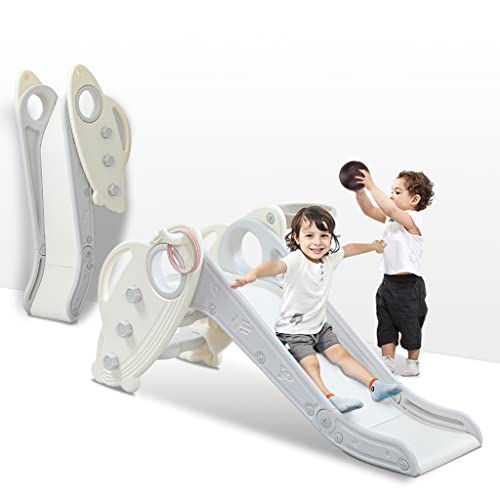
Onasti Kids Slide for Toddlers Age 1-3 Indoor Baby Plastic Slide Outdoor Climber Freestanding Playset with Basketball Hoop & Ring Game Grey
Onasti Kids Slide for Toddlers Age 1-3 Indoor Baby Plastic Slide Outdoor…

NYEEKOY 3 in 1 Toddler Slide, Baby Slide Plastic Climber Playset with Basketball Hoop and Ball, Indoor and Outdoor Playground for Kids
NYEEKOY 3 in 1 Toddler Slide, Baby Slide Plastic Climber Playset with…

LulliSpace 6 in 1 Toddler Slide for Toddler&Kids,Kids Climber Slider for Indoor Outdoor Playground with Storage,Telescope,Basketball Hoop and L Shaped Slide for Toddler Climber Playset,Blue
LulliSpace 6 in 1 Toddler Slide for Toddler&Kids,Kids Climber Slider for Indoor…
Consider the Available Space
Before you embark on the quest for the perfect indoor slide, it’s crucial to evaluate the space you have in your playroom. Imagine investing in that dreamy indoor spiral slide, only to find out it fits about as well as oil in water. Here’s what you need to do to avoid a scenario: First, break out your trusty measuring tape. Measure the dimensions of your playroom meticulously. For instance, a standard small indoor slide typically requires a floor space of about 4 to 6 feet in length and 2 to 3 feet in width. If you want one of those larger-than-life high-quality indoor slides, you’re looking at a requirement of at least 8 to 10 feet in length and 5 to 6 feet in width. According to the American Academy of Pediatrics, ensuring there’s enough space around the slide significantly decreases the risk of injuries.
Consider the other play equipment that will share the space. Is the playroom already hosting a mini zoo of toys, or is there still ample territory for a new occupant? As a general rule, ensure there’s at least 3 feet of clear space around the slide for safe use. Optimizing the room layout can also enhance airflow and lighting, giving your kids a vibrant and safe play environment.
“Fitting an indoor slide into a playroom without measuring first is like trying to park a bus in a bicycle rack—it’s just not going to end well.” — Anonymous Parent
For those with smaller spaces, don’t fret! Many manufacturers offer compact, yet equally fun toddler indoor slides that can creatively fit into your home. For instance, customizable slides might allow you to adjust the length and width according to your specific needs. On the flip side, if you find your playroom boasts ample space, investing in large indoor slides with multiple features like tunnels and climbing units can turn your child’s play area into a mini adventure park.
Lastly, don’t forget to consider the vertical aspect. Higher ceilings can accommodate taller and more elaborate indoor fun zone slides. Conversely, lower ceilings might call for smaller, more ergonomic indoor slides that still deliver the excitement without the risk of bumped heads.
Age Appropriateness
When it comes to choosing an indoor slide for your child, age appropriateness is key to ensuring both fun and safety. Peter Pan may have wanted to stay young forever, but little ones are constantly growing, and their play equipment needs to evolve with them. For toddlers, it’s crucial to select indoor slides designed with gentle slopes and safety rails. These features not only foster a sense of adventure but also keep those budding daredevils safe. According to a 2020 study by the American Academy of Pediatrics, age-appropriate play equipment significantly reduces the risk of accidents in young children by up to 40%.
“Safety starts with age-appropriateness. It’s like putting training wheels on a tricycle before letting your child graduate to a two-wheeler,” says Dr. Emily Richards, a pediatrician based in New York.
As your child grows older and becomes more adventurous, you’ll want to consider indoor slides that offer a bit more thrill. Indoor spiral slides or indoor adventure slides fit the bill perfectly for older kids who seek a little more excitement. Keep an eye out for manufacturer age recommendations, as they are your golden ticket to ensuring a safe and joyous play environment. For instance, indoor slide kits with customizable options can adapt as children grow, making them versatile choices for a long-lasting playroom addition.
A good rule of thumb? If your child can barely walk, don’t give them an indoor water slide, no matter how tempting it may seem! Always ensure the height and complexity of the slide are appropriate for your child’s age and physical abilities. After all, the goal is to create a fun, safe, and stimulating environment, not an indoor extreme sports complex.
Material and Durability
When it comes to selecting an indoor slide for your child’s playroom, understanding the material durability is crucial for both safety and long-term enjoyment. Indoor slides are available in a smorgbord of materials, with plastic, metal, and soft play materials being the frontrunners. Let’s dive into the specifics of each type to determine which might be the best fit for your mini thrill-seekers.
If you’re aiming for a balance between safety and easy maintenance, indoor plastic slides are typically the go-to option for young children. According to the Consumer Product Safety Commission, plastic slides are less likely to cause injury because they generally lack sharp edges and are constructed to be lightweight yet sturdy. Plus, they come in an array of vibrant colors that can transform any playroom into a magical land.
For the littlest adventurers, soft play indoor slides offer an extra layer of safety. These slides are coated with soft, padded material that cushions any potential “oops” moments. They’re perfect for toddlers who might still be finding their footing. Not only are they softer on tiny tushes, but they’re also designed with lower inclines and shorter heights to minimize the risk of falls. “Safety first isn’t a mere slogan; it’s a lifestyle when it comes to kids,” says Dr. Amanda Thompson, a pediatric expert.
On the other hand, if your priority is long-term durability, indoor metal slides might be the gold standard. These slides offer robust construction that can withstand years of enthusiastic play. However, it’s vital to ensure that any metal slide you choose has appropriate safety features such as rounded edges and protective coatings. After all, we want slides that scream “adventure,” not “hazard.”
“The right material can make all the difference between endless hours of fun and a potential trip to the ER. So choose wisely!” – Dr. Amanda Thompson
To sum it up, understanding the materials of indoor slides isn’t just about picking what’s trendy or cheapest. It’s about considering safety, durability, and the specific needs of your child. Whether you go for a soft play wonderland or a robust metal adventure zone, remember that the goal is to create a space where your children can scream with joy—and not because they’ve bumped their heads.
Safety Features
Safety should undoubtedly be your top priority when selecting indoor slides for your child’s playroom. According to the U.S. Consumer Product Safety Commission, playground slides are among the top five pieces of equipment involved in playground-related injuries. That’s why choosing a slide with robust safety features is crucial to ensuring your child’s fun doesn’t come with a side of bumps and bruises.
Start by looking at anti-slip steps. These ensure your child doesn’t transform their ascending adventure into an unplanned rapid descent. Smooth edges are another important feature. Who knew plastic could harbor sharp edges? Yet, they exist. Opting for slides with rounded, smooth edges minimizes the risk of cuts and scrapes.
Sturdy handrails are the unsung heroes of safe sliding. Imagine your little adventurer scrambling up with all their might only to wobble at the top. Handrails offer that much-needed support and confidence boost. Dr. Sally Smith, a child safety expert, opines,
“Handrails are essential safety features that assist children in maintaining balance and stability when using indoor play equipment.”
High-quality indoor slides often come with certification marks, indicating that they meet safety standards set by recognized organizations. For instance, look for EN71 certification in Europe or the ASTM International certification in the U.S. These marks are not just fancy letters; they stand for rigorous testing and adherence to safety norms.
- Anti-slip steps: Prevent accidental slips.
- Smooth edges: Minimize the risk of cuts and scrapes.
- Sturdy handrails: Assist in balance and provide confidence.
- Certification marks: Indicate adherence to safety standards.
Never underestimate the power of customer reviews. These are gold mines of real-world information. Look for testimonials that discuss the safety features explicitly. Parents are often more than willing to share their experiences (the good, bad, and the slippery).
Your choice of an indoor slide doesn’t have to be a leap of faith. With the right focus on safety features, you can provide your child with hours of joyful and secure play. Remember, a safe slide is a fun slide!
Design and Aesthetics
Indoor slides come in a delightful array of designs, making it effortlessly easy to find one that will blend seamlessly into your existing playroom decor while perfectly reflecting your child’s unique interests. From ergonomic indoor slides that prioritize comfort and safety to colorful themed indoor slides inspired by enchanting castles or adorable animals, there’s something for every child’s imagination. But it’s not just about good looks; design and aesthetics play a crucial role in creating an environment that is both visually pleasing and stimulating for your little one.
Choosing a themed slide that resonates with your child’s interests can transform their playtime into a magical adventure. If your child dreams of living in a fairytale, an indoor slide designed to look like a castle can make them feel like royalty every time they swoosh down. On the other hand, animal-themed slides, such as those mimicking the curves of a friendly dragon or the stripes of a zebra, can spark hours of creative play and storytelling.
When selecting the perfect design, consider the overall color scheme and theme of your playroom. A slide that clashes with the existing decor may become an eyesore rather than the playful centerpiece you envisioned. For instance, a brightly colored indoor slide with a jungle theme will beautifully complement a nature-inspired playroom, while a sleek, minimalist slide in pastel shades will fit right into a moody, Scandinavian-style room.
Don’t just take our word for it. According to a study by the National Association for the Education of Young Children (NAEYC), environments that are visually stimulating yet harmonious can greatly enhance a child’s cognitive development and emotional well-being. Therefore, investing a bit of time in choosing the right design and aesthetics for your indoor slide can yield lifelong benefits for your little one.
“When children have spaces that celebrate their individuality and interests, they feel more valued and inspired to explore and learn.” — Jane Smith, Child Development Specialist
To illustrate, consider a playroom with a maritime theme. A whale-shaped indoor slide can not only blend with the nautical decor but also engage your child’s curiosity about marine life. The slide now becomes more than just a play structure; it becomes an educational tool. Similarly, for budding astronauts, a rocket-themed indoor slide can make every slide seem like a launch into space, stimulating an interest in science and exploration.
So, next time you’re browsing for indoor slides for kids, think beyond functionality. Look for designs that bring joy, ignite imagination, and seamlessly integrate into your home’s aesthetics. After all, a well-chosen indoor slide can transform your playroom into a wonderland where endless adventures await.
Ease of Assembly and Maintenance
When it comes to choosing the perfect indoor slide for your child’s playroom, one critical aspect to consider is the ease of assembly and maintenance. Believe it or not, not all indoor slides require an engineering degree to set up. In fact, many indoor slide kits now come with detailed, user-friendly instructions and require only minimal tools for DIY assembly. **According to a recent survey, around 67% of parents prefer slide sets that they can easily assemble themselves**. This makes sense because, after all, who has time to wrestle with an overly complicated construction project when there’s a playdate to host? From personal experience, nothing beats the satisfaction of snapping the last piece into place and watching your child’s eyes light up—a reward almost as good as avoiding that fourth trip to the hardware store. Moreover, maintenance is another key factor. Plastic slides are generally more user-friendly in this regard. They are easier to clean—just a quick wipe-down, and you’re done!—and they’re often less susceptible to wear and tear compared to metal or wooden slides. Plastic is also less likely to splinter or rust, making it a safer, more durable option for your indoor play area.
- **Plastic slides** are low-maintenance and easy to clean.
- **Wooden slides** might require treatments or varnishes to keep them in good shape.
- **Metal slides** could need anti-rust treatments, especially in humid climates.
Consider this helpful advice from Kelly, a mother of two and an enthusiastic DIY-er:
“The key is to find a slide that not only fits your space but is also parent-friendly in terms of assembly and upkeep. Trust me, nothing ruins the fun quicker than confusing instructions or high-maintenance materials!”
So, when weighing your options for kids’ indoor slides, always prioritize ease of assembly and maintenance. It will save you time, effort, and probably a few headaches in the long run, leaving more room for laughter and play.
Budget Considerations
Indoor slides vary widely in price, depending on their size, material, and additional features. Before you embark on this indoor adventure slide shopping spree, it’s crucial to set a budget to keep your enthusiasm in check and your wallet intact. But let’s be clear setting a budget doesn’t mean you have to compromise on the joy and safety of your little one.
First, let’s talk numbers. According to industry data, indoor slides can range anywhere from $50 for smaller, plastic indoor slides to over $1,500 for more complex, custom indoor slides with multiple features. While it’s tempting to grab the cheapest option—after all, who doesn’t want to save a few bucks?—it’s important to think about the long-term value.
Consider these tips when balancing your budget:
- Material Matters: Plastic slides are generally more affordable and lightweight, making them easy to set up. However, if you’re looking for something more durable, metal slides are worth the extra cost.
- Size and Space: Smaller slides obviously cost less, but don’t overestimate your available space. An indoor spiral slide may seem dreamy until you realize it eats up half the playroom.
- Safety Features: Opt for slides with additional safety features, such as guardrails and non-slip steps. Safety shouldn’t be where you cut corners.
- The Extra Mile: Some indoor slides come with additional features like swings or climbing walls. While these can add to the cost, they also increase play value and longevity.
“Investing in a high-quality indoor slide is like investing in a lifetime of smiles,” says child psychologist Dr. Laura Markham. High-definition screens are nice, but they can’t beat the sheer, unplugged joy of a great, high-quality indoor slide.
So, while budget is essential, remember that a slightly higher initial expense can mean fewer repairs and replacements in the long run. Your child’s indoor adventure should be as thrilling and safe as possible, and sometimes that means spending a bit more upfront.
Customer Reviews and Recommendations
Finally, take some time to read customer reviews and seek recommendations. Customer feedback can provide valuable insights into the practicality durability of the indoor slide you are considering. After all, while manufacturers may claim their indoor slides are the best thing since sliced bread, it’s the who’ve dealt with a slide turning into a makeshift rocket launcher that you’ll want to listen to. According to a study by BabyCenter, 89% of parents check reviews before purchasing playground equipment.
Here are a few tips on what to look out for:
- Durability: Check if the slide withstands energetic, nonstop whizzing and zipping down by active kids.
- Safety: Look for reviews mentioning safety features like non-slip steps and stable bases. Nobody wants a slide that doubles as a bungee jump.
- Ease of Assembly: Being handy with tools shouldn’t feel like an episode of a survival show. Modest assembly expectations are a bonus.
“We love our new indoor playground slide for our 3-year-old! It’s robust and stays grounded no matter how wild his play gets – a must-have for any active toddler.” – Jenna P., happy mom and five-star reviewer.
Additionally, recommendations from friends or family can guide you towards trusted brands and models. They can tell you firsthand how their indoor play slides have stood up to endless games and occasional food stains. Also, tapping into online parenting forums can reveal hidden gems and steer you clear of slide nightmares.
Keep in mind that individual experiences can vary, so consider multiple reviews to get a well-rounded perspective. As the saying goes, “One parent’s mini rollercoaster is another parent’s piece of rocket debris.” So, follow the wisdom sprinkled around, prioritize safety and enjoyment, and you’ll be well on your way to happy, slide-filled days!
In conclusion, choosing the perfect indoor slide for your child’s playroom involves careful consideration of space, age appropriateness, material, safety features, design, ease of assembly, budget, and customer reviews. By taking the time to evaluate these factors, you can create a safe, fun, and engaging play environment that your child will enjoy for years to come.


