

Choosing Age-Appropriate Play Equipment: A Parent’s Guide to Indoor Slides and Indoor Climbers
Every parent wants to see their child happy, active, and thriving. Indoor play equipment offers a wonderful solution for keeping little ones engaged, especially during rainy days or harsh weather. However, selecting the right equipment requires more than just picking something colorful off the shelf. The key to safe, beneficial play lies in choosing equipment that matches your child’s age and developmental abilities.

Why Age-Appropriate Equipment Matters
Children grow and develop at remarkable speeds, but their physical abilities, coordination, and judgment evolve gradually. Equipment designed for older children can pose serious safety risks for toddlers, while equipment meant for babies quickly becomes boring and unstimulating for preschoolers. When play equipment matches a child’s developmental stage, it provides the right level of challenge without overwhelming them or putting them in danger.
Age-Appropriate Indoor Play Equipment

Arlopu Toddler Slide, Baby Indoor Foldable Slide with Basketball Hoop & Ball, 63" Extra Long Slope, Non-Slip Steps, Sturdy Plastic Outdoor Climber Playset for Boys and Girls (Robin Egg Blue)
Arlopu Toddler Slide, Baby Indoor Foldable Slide with Basketball Hoop & Ball,…
VIEW LATEST PRICE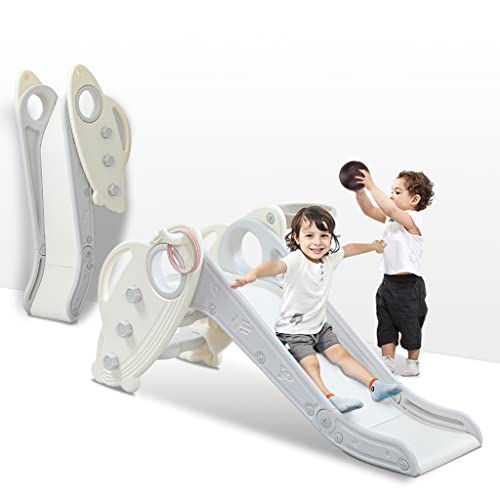
Onasti Kids Slide for Toddlers Age 1-3 Indoor Baby Plastic Slide Outdoor Climber Freestanding Playset with Basketball Hoop & Ring Game Grey
Onasti Kids Slide for Toddlers Age 1-3 Indoor Baby Plastic Slide Outdoor…
VIEW LATEST PRICE
Babytronic Toddler Slide Indoor & Outdoor Playground, 4-in-1 Baby Slide with Climber, Basketball Hoop & Ring Toss, Foldable Freestanding Kids Slide, Climber Playset for Toddlers Ages 1-3, Cream & Gray
Babytronic Toddler Slide Indoor & Outdoor Playground, 4-in-1 Baby Slide with Climber,…
VIEW LATEST PRICEAge-appropriate equipment also maximizes developmental benefits. When children use equipment suited to their abilities, they build confidence, strengthen muscles, improve coordination, and develop problem-solving skills. Equipment that’s too easy offers little benefit, while equipment that’s too advanced can lead to frustration or injury.
General Principles for Selection
Before diving into specific equipment types, keep these universal guidelines in mind when shopping for any indoor play equipment.
First, always check the manufacturer’s age recommendations. These guidelines exist for good reasons and reflect careful testing and safety standards. Treat them as your starting point rather than a suggestion to ignore.
Second, consider your individual child’s abilities. Some children develop physical skills faster than others. A cautious three-year-old might do better with equipment designed for younger children, while an adventurous two-year-old might handle slightly more advanced options with supervision.
Third, prioritize stability. Indoor equipment should have a wide base and low center of gravity to prevent tipping. Check weight limits carefully and ensure the equipment can handle not just your child’s current weight but their weight as they grow.
Finally, look for safety certifications from recognized organizations. Quality manufacturers submit their products for independent testing and proudly display their certifications.
Selecting Indoor Slides for Different Ages
Indoor slides come in various sizes and configurations, making them popular choices for home playrooms. Here’s what to look for at each stage.
For babies and young toddlers between twelve and twenty-four months, choose slides with very gentle slopes and low heights. The platform should sit no more than twelve inches off the ground. Look for extra-wide slides that reduce the risk of tumbling over the sides. Enclosed sides extending the full length of the slide provide additional security. The climbing portion should feature wide, shallow steps with textured surfaces for grip rather than ladder rungs.

Toddlers between two and three years old can handle slightly more challenge. Slides with platforms up to twenty-four inches high work well for this age group. The slope can be somewhat steeper, though still moderate. Many parents find combination units that include a small slide attached to a climber work wonderfully at this stage. Sturdy handrails on both sides of the climbing stairs remain essential.
Preschoolers aged three to five years typically enjoy longer slides with more exciting slopes. Platforms can reach thirty-six inches or slightly higher. At this age, children have better balance and body control, allowing them to handle steeper angles safely. Look for smooth transitions at the bottom of the slide to ensure gentle landings.
Regarding materials, plastic remains the most common choice for indoor slides. It’s lightweight, easy to clean, and doesn’t conduct temperature extremes. Ensure the plastic feels sturdy rather than flimsy, and check that all edges are smooth and rounded.
Choosing Indoor Climbers by Age
Indoor climbers offer fantastic opportunities for physical development, building strength, coordination, and spatial awareness. Selection criteria vary significantly by age.
For children under two years, foam climbing sets provide the safest introduction. These soft, lightweight pieces can be arranged in various configurations and pose minimal injury risk from falls. Look for sets covered in wipeable vinyl with dense foam cores that won’t compress too easily.
Two to three-year-olds can graduate to small plastic climbing structures. Keep maximum heights under twenty-four inches and look for multiple ways to climb, such as stairs, ramps, and easy footholds. Handholds should be sized appropriately for small hands, roughly one inch in diameter. Wide bases and heavy construction prevent tipping when enthusiastic toddlers throw their weight around.
Preschoolers between three and five years thrive with more complex climbing structures. Look for equipment offering multiple routes and varying difficulty levels. Some structures incorporate rope elements, cargo nets with small openings, and rock-climbing-style holds. Heights can extend to forty-eight inches for this age group, though always ensure adequate padding beneath the structure.
For grip features on climbers, younger children need larger, easier-to-grasp handles, while older children benefit from varied grip challenges that build hand strength and dexterity.
Making Your Final Decision
Before purchasing, measure your available space carefully, accounting for fall zones around the equipment. Industry guidelines recommend at least three feet of clearance on all sides. Consider ceiling height for taller structures.
Read parent reviews focusing on durability and stability. Observe your child’s play style and physical confidence level. When possible, let your child try similar equipment at a friend’s house or indoor playground before buying.
Investing thought into age-appropriate selection ensures your child enjoys countless hours of safe, beneficial play while developing crucial physical and cognitive skills that will serve them throughout life.

